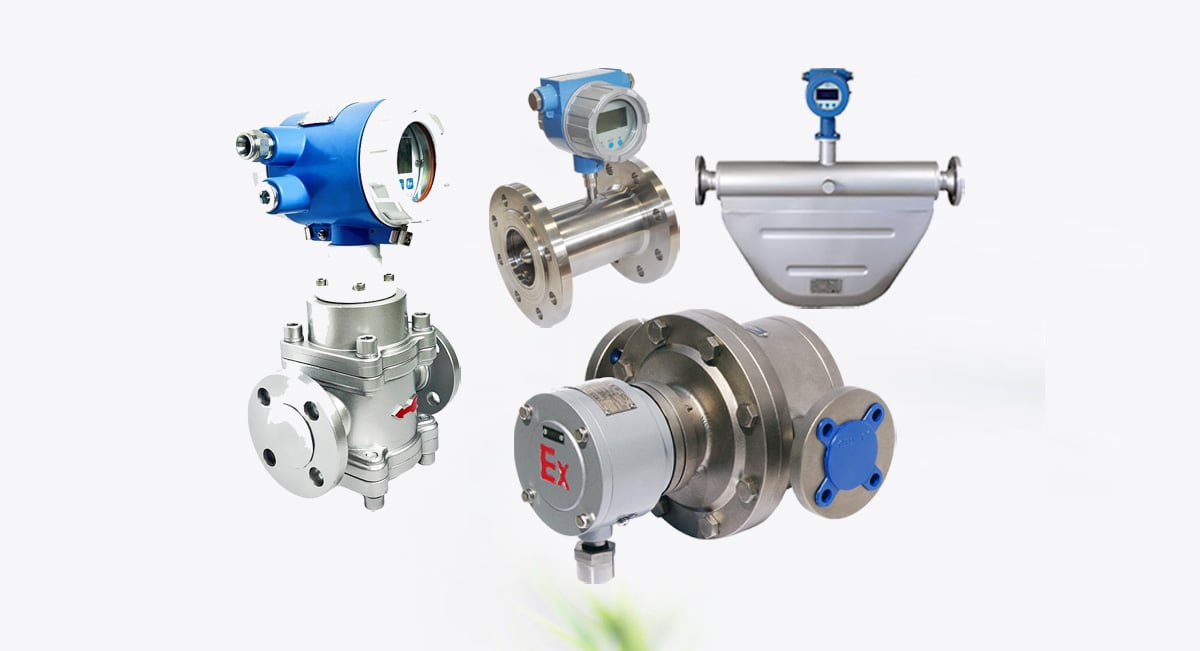
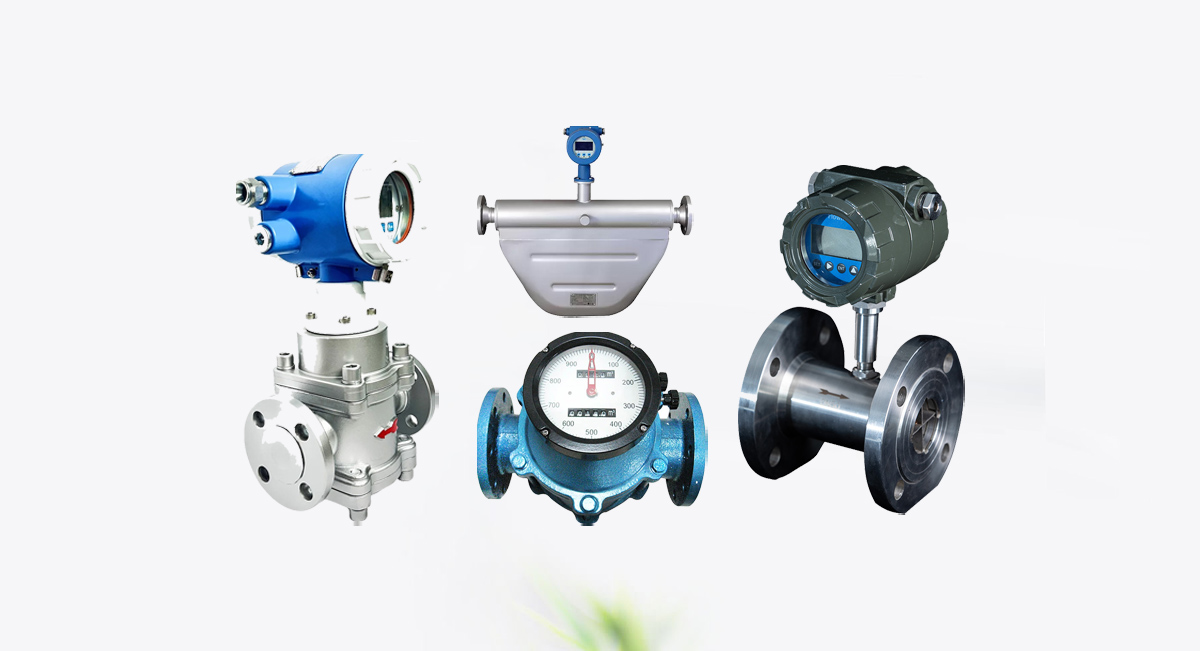
Crude oil is one of the most economically significant and technically challenging fluids to measure. From upstream extraction and midstream transportation to downstream refining, accurate crude oil flow measurement plays a critical role in custody transfer, production optimization, leakage detection, and process safety. However, unlike simple liquids such as water, crude oil presents unique challenges due to its complex composition, wide viscosity range, impurity levels, and multiphase behavior.
This article provides a complete overview of crude oil as a fluid, the technical challenges in measuring its flow, the most suitable crude oil flow meter technologies, and how to choose the right meter for different applications.
جدول المحتويات
What Is Crude Oil? Types and Characteristics
Crude oil is a naturally occurring petroleum product composed of hydrocarbons, organic compounds, sulfur, water, and various impurities. It is extracted from reservoirs and processed through refineries to produce fuels (gasoline, diesel, jet fuel), lubricants, asphalt, petrochemicals, and thousands of industrial products.
Crude oil properties vary significantly depending on the geographic source, reservoir conditions, and chemical composition. These variations have a direct impact on flow meter selection and measurement accuracy.
Types of Crude Oil by Density (API Gravity)
Crude oil is classified according to its API gravity:
| النوع | API Gravity | Characteristics |
|---|---|---|
| Light Crude Oil | > 31° API | Low viscosity, flows easily, high fuel yield |
| Medium Crude Oil | 22–31° API | Moderate viscosity, common globally |
| Heavy Crude Oil | < 22° API | Thick, high impurities, difficult to pump |
| Extra Heavy Oil | < 10° API | Very viscous, almost tar-like |
Light crude behaves more like refined fuels, while heavy crude behaves like thick molasses, affecting measurement technology, pressure drop, and accuracy.
Sulfur Content Classification
| النوع | Sulfur % | Notes |
|---|---|---|
| Sweet Crude | < 0.5% | Less corrosive, easier to refine |
| Sour Crude | > 0.5% | Contains H₂S → corrosive, safety challenges |
Sour crude may require corrosion-resistant materials for the flow meter.
Viscosity: The Most Critical Measurement Property
Crude oil viscosity can range from:
- 1–10 cP (light crude)
- 100–10,000+ cP (heavy crude)
Viscosity changes dramatically with temperature — meaning crude oil behaves differently in pipelines, storage tanks, and flow meters depending on thermal conditions.
Multiphase Behavior in Crude Oil
Crude oil may contain:
- المياه
- Gas bubbles
- Paraffin wax
- Sand or solids
These multiphase conditions affect measurement accuracy and may damage certain flow meter technologies.
Recommended Crude Oil Flow Meters
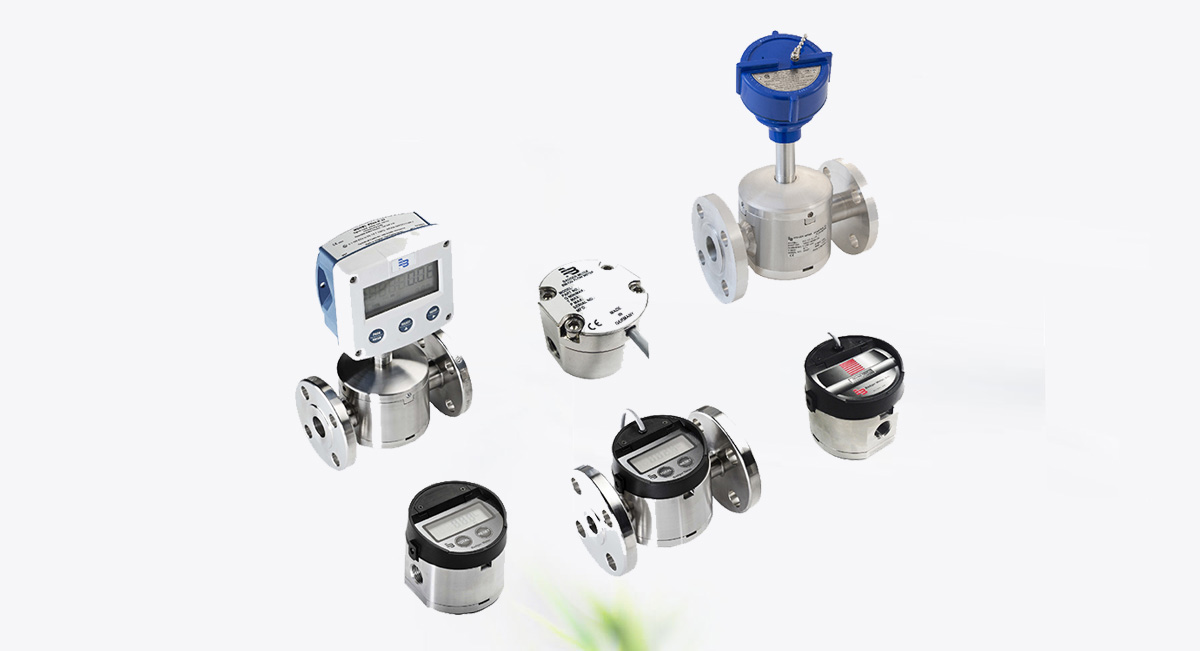
أجهزة قياس التدفق بالإزاحة الإيجابية (PD)
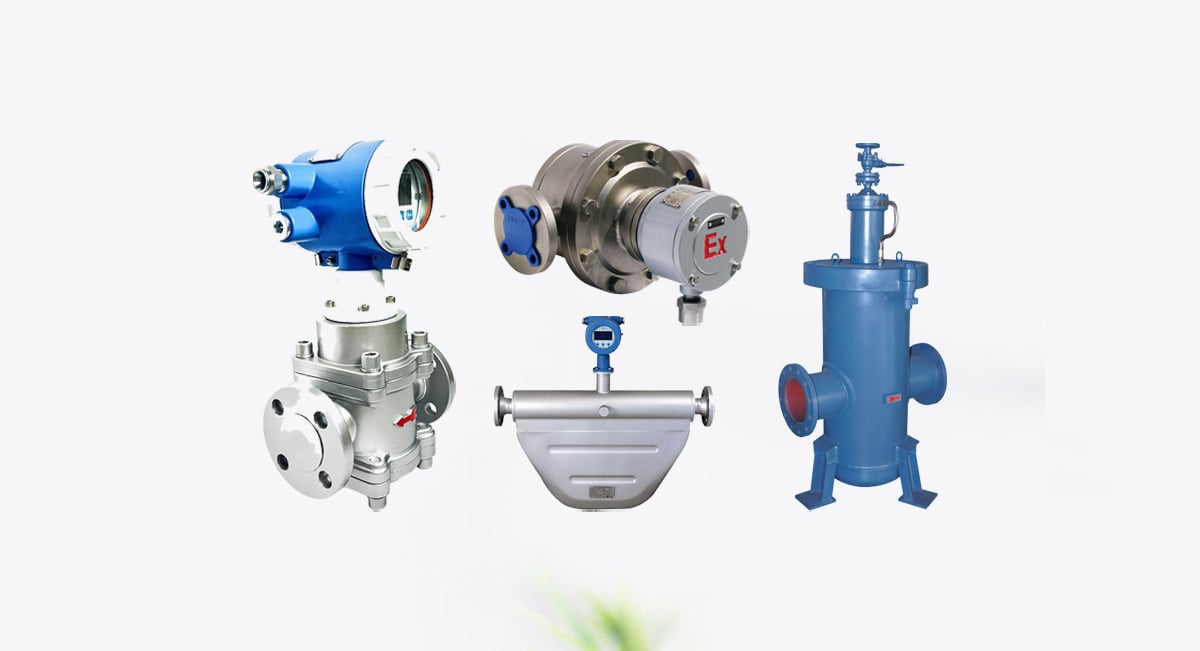
PD meters trap known volumes of fluid and count each displacement. They are highly accurate and insensitive to viscosity changes.
Why PD Meters Are Ideal for Crude Oil
- Handle extremely high viscosity
- Not affected by flow turbulence
- Excellent for low- to medium-flow custody transfer
- Maintains accuracy even with density and pressure changes
- Minimal sensitivity to entrained gas
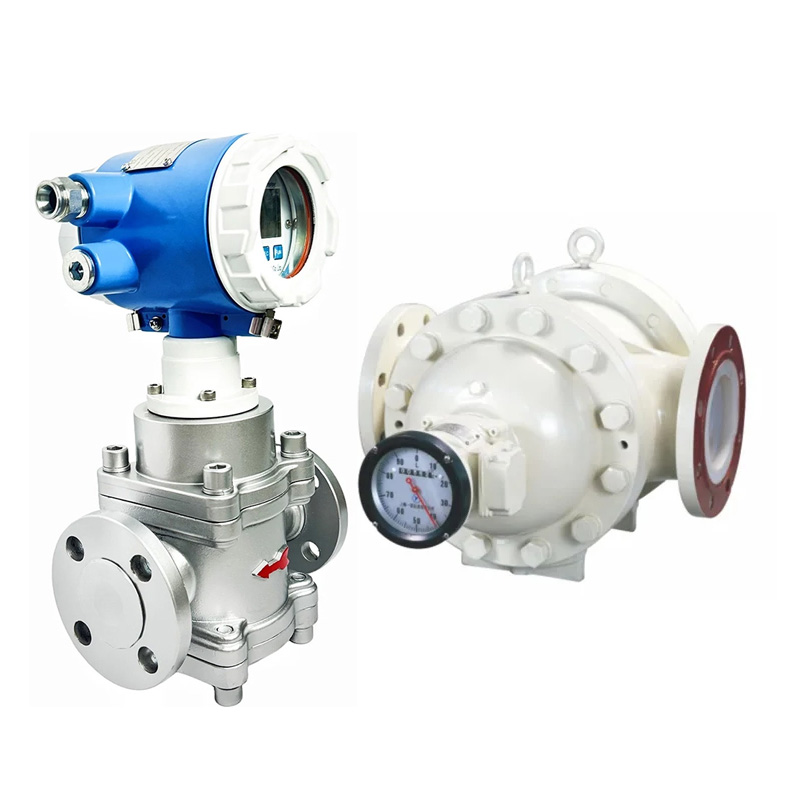
Bi-rotor PD Flow Meters for Crude Oil
- High accuracy up to ±0.1 %, high process pressure
- نطاق قياس واسع مع إمكانية تكرار جيدة
- عمر افتراضي طويل للغاية، وصيانة اقتصادية منخفضة الصيانة
- لا توجد أجزاء أو أذرع متذبذبة أو ترددية أو منزلقة أو أذرع متذبذبة أو مترددة أو منزلقة لتآكل أو اضطراب الدوار المتوازن
- مستقر في الجري بصوت منخفض
- أداء جيد ضد التداخل وعمر خدمة طويل
- قابلية تطبيق قوية لتغيرات اللزوجة
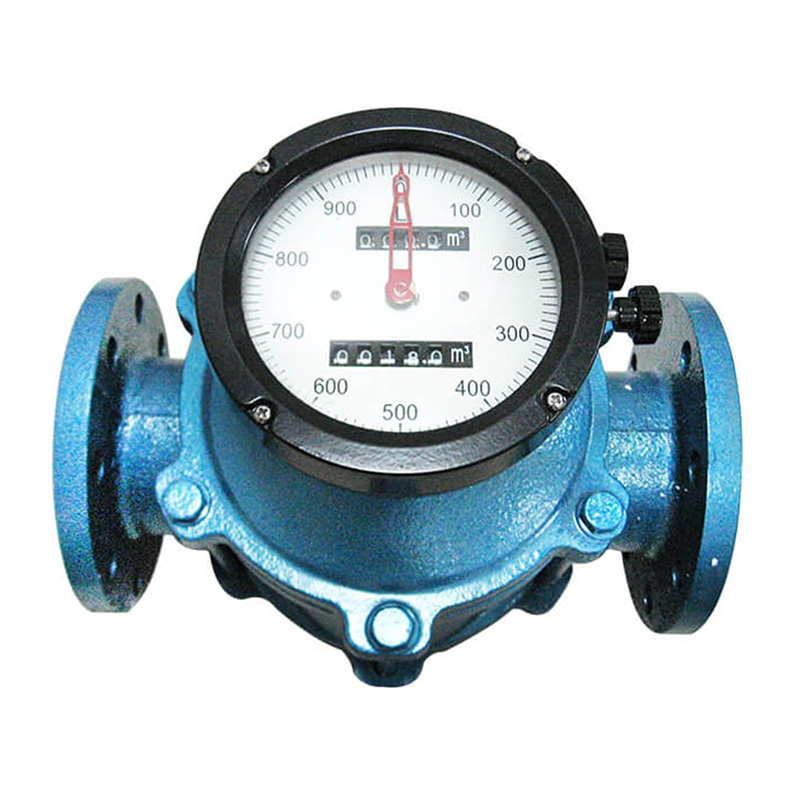
- نطاق قياس واسع مع إمكانية تكرار جيدة
- قياس عالي الدقة بدقة تصل إلى ± 0.21 تيرابايت 3 تيرابايت
- غير حساس لتغير اللزوجة
- مُحسَّن لقياس السوائل ذات اللزوجة العالية
- تركيب بسيط دون الحاجة إلى تشغيل أنابيب مستقيمة
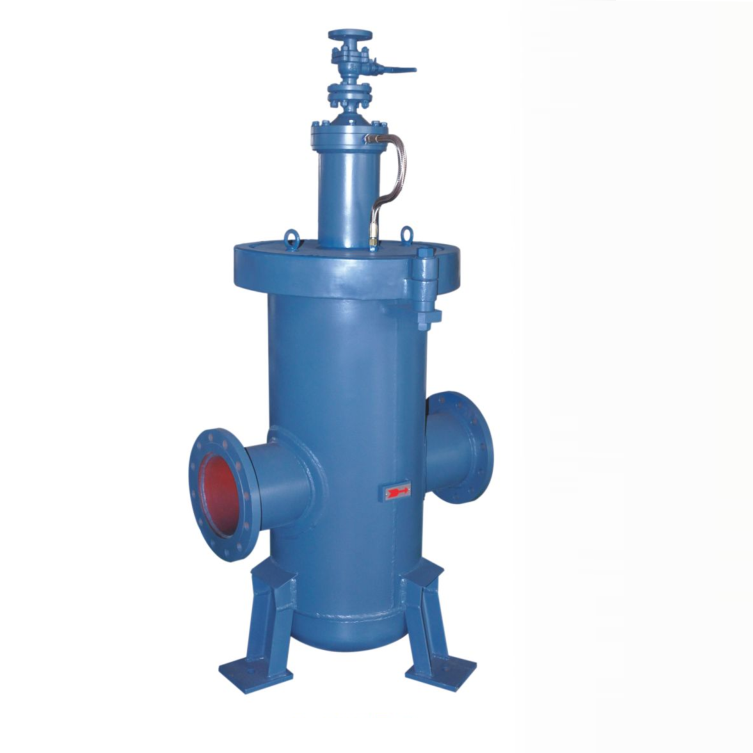
مزيلات الهواء/مزيلات الهواء/المصافي
The air Eliminators are designed to provide separation and elimination of air and solids in metering systems. Installing air eliminators / Strainers upstream of measurement devices (especially positive displacement flow meters) ensures accurate measurement, whilst protecting all downstream system components.
مقاييس التدفق الكتلي كوريوليس
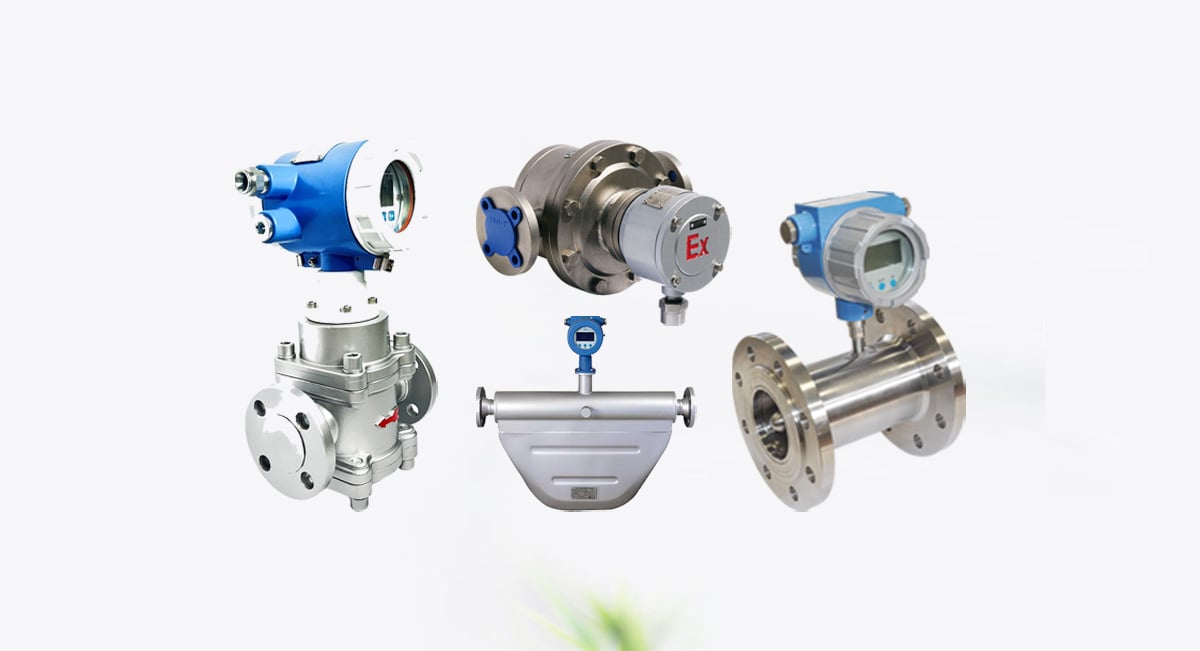
Coriolis flow meters measure التدفق الكتلي مباشرة, not velocity or volume.
Why Coriolis Meters Are Excellent for Crude Oil
- Immune to viscosity changes
- التدبير mass, density, and temperature simultaneously
- Handle multiphase oil with entrained gas
- No moving parts → extremely reliable
- Ideal for custody transfer systems
- Can detect water cut through density measurement
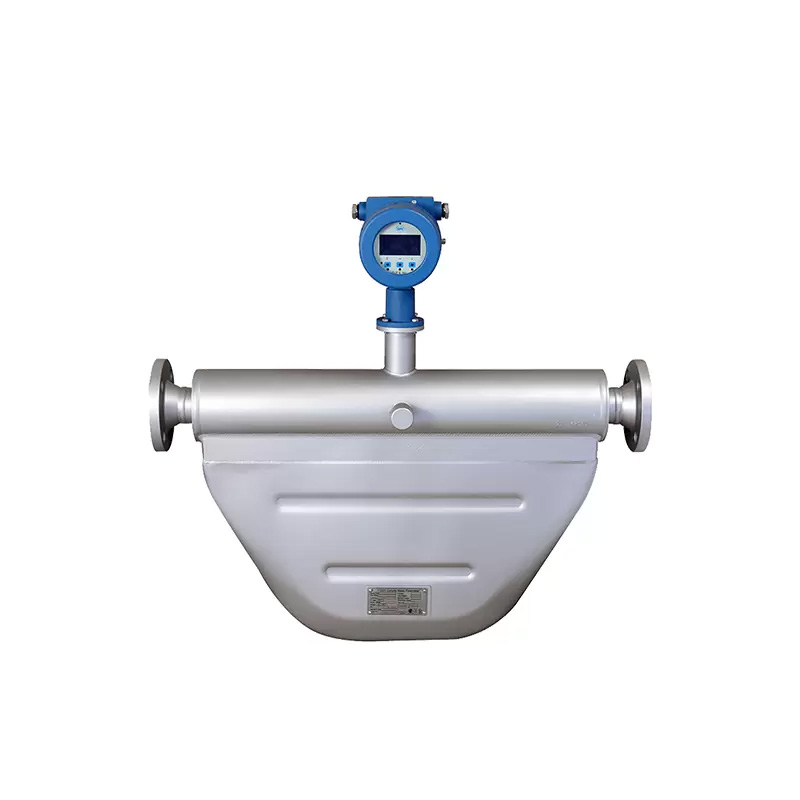
يوفر جهاز قياس التدفق الكتلي MTD-ACMW كوريوليس كوريوليس هذا أفضل أداء لقياس التدفق الكتلي والكثافة ودرجة الحرارة، بدقة تصل إلى ± 0.1 تيرابايت 3 تيرابايت. ويتميز بخصائص المقاومة المنخفضة وفقدان الضغط المنخفض، مما يحسن دقة القياس إلى حد كبير، ويوسع نسبة النطاق، ويحسن القدرة على مقاومة التداخل، ويلبي ظروف العمل المعقدة المتزايدة في الموقع للقياس عالي الدقة إلى حد كبير.
مقاييس تدفق التوربينات
Turbine flow meters require clean, low-viscosity fluids to rotate properly.
Suitable when:
- Crude oil is light and clean
- Custody transfer cost must be minimized
القيود:
- Sensitive to viscosity
- Cannot tolerate particulates
- Requires flow conditioning
Not recommended for heavy or multiphase crude.
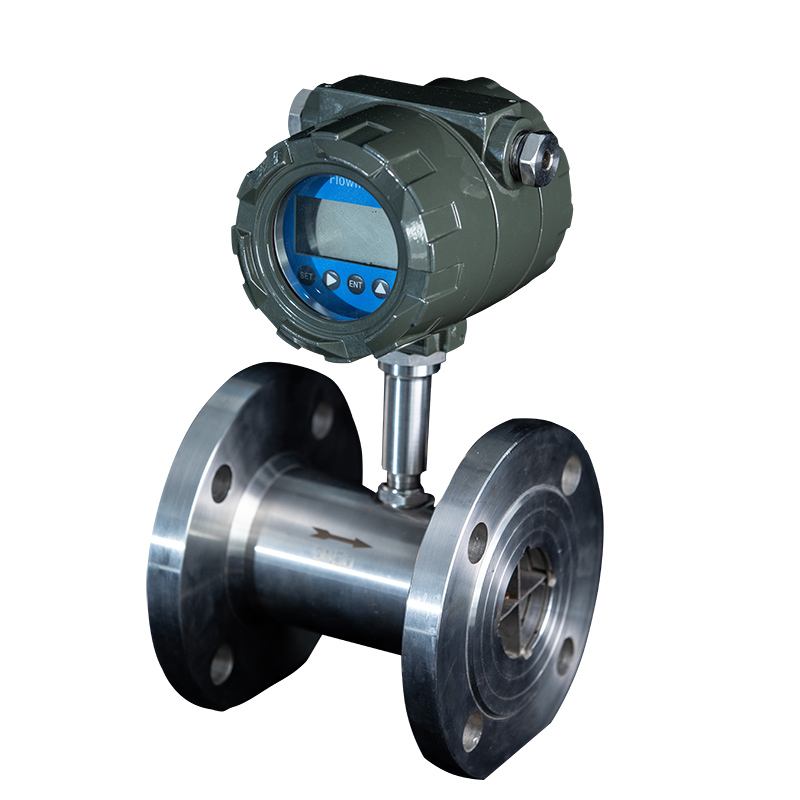
High Pressure Turbine Flow Meters
The LWGYMT-P turbine flow meter is specifically designed to safely operate in demanding high pressure applications up to 250 bar (3625.95 psi). This flowmeter consists of stainless steel construction, and flanged connection. This turbine flow meter is a good choice for light and clean crude oil with limited budget.
How to Choose the Right Crude Oil Flow Meter
Selecting the correct crude oil flow meter requires understanding both the fluid properties and the measurement purpose.
Define the Purpose of Measurement
- Custody transfer? → Requires highest accuracy
- Pipeline monitoring? → Coriolis
- Production well output? → PD or Coriolis
- Truck loading/unloading? → PD
- Refinery internal measurement? → PD or Coriolis
Identify Key Fluid Properties
You must know:
- API gravity
- Viscosity (at operating temperature)
- Water content
- Gas entrainment
- Presence of solids or wax
- Sour vs sweet crude
These determine whether PD, Coriolis, or turbine is better.
Required Accuracy
- ±0.1% → Coriolis, premium PD
- ±0.2–0.5% → Standard PD
- ±1–2% → Turbine
Crude oil is a highly complex fluid with varying viscosity, impurities, water content, and density. These characteristics create significant challenges for accurate flow measurement. Among all technologies:
- عدادات كوريوليس provide the highest accuracy and best handling of multiphase conditions.
- Positive displacement meters are the best choice for viscous crude, loading/unloading, and custody transfer.
- Turbine meters are limited to light, clean crude.
Selecting the right crude oil flow meter requires evaluating the application, accuracy requirements, fluid characteristics, installation constraints, and budget. With the correct technology and configuration, crude oil flow measurement can achieve exceptional reliability and long-term stability—ensuring operational efficiency and financial accuracy across the petroleum value chain.