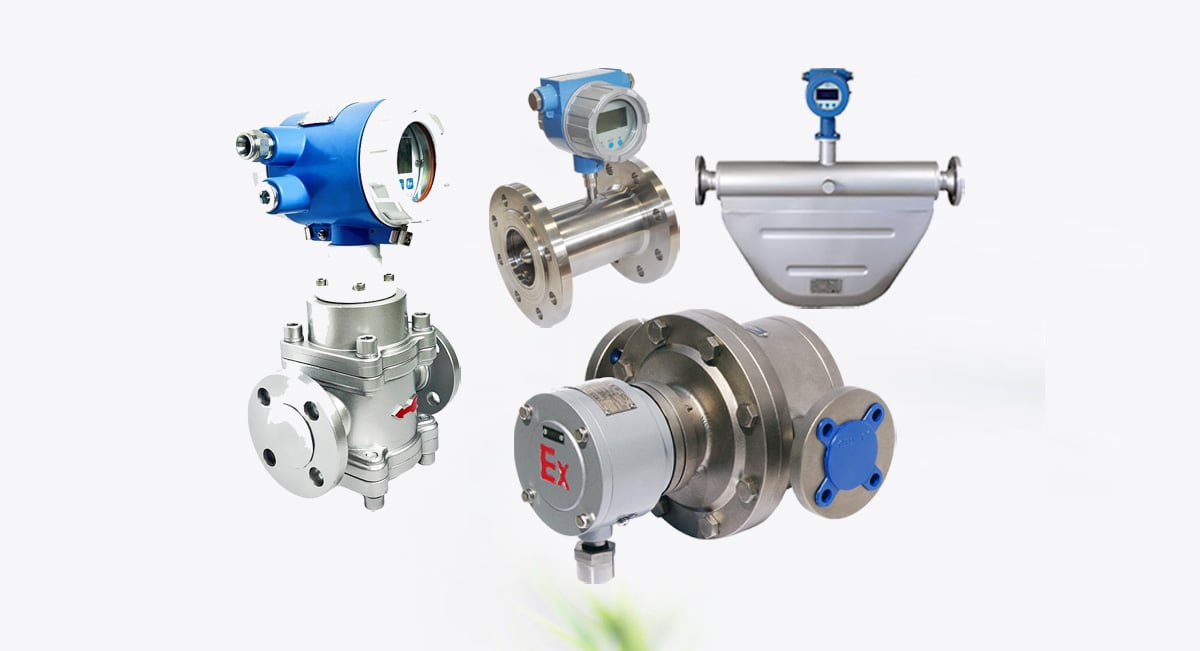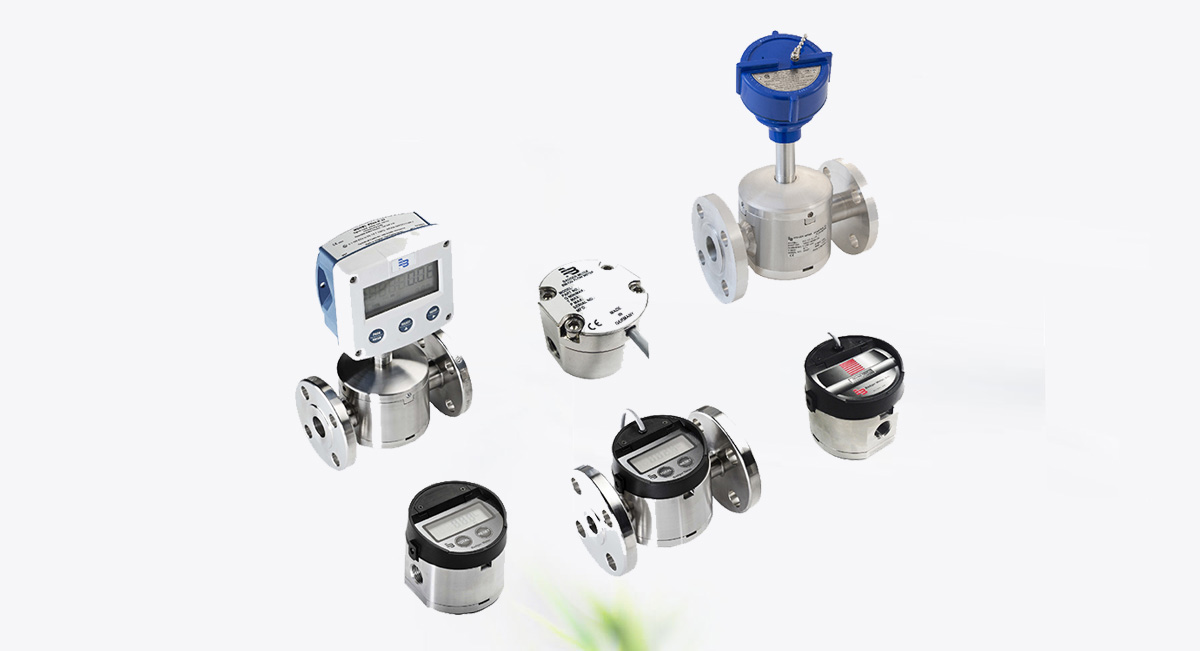
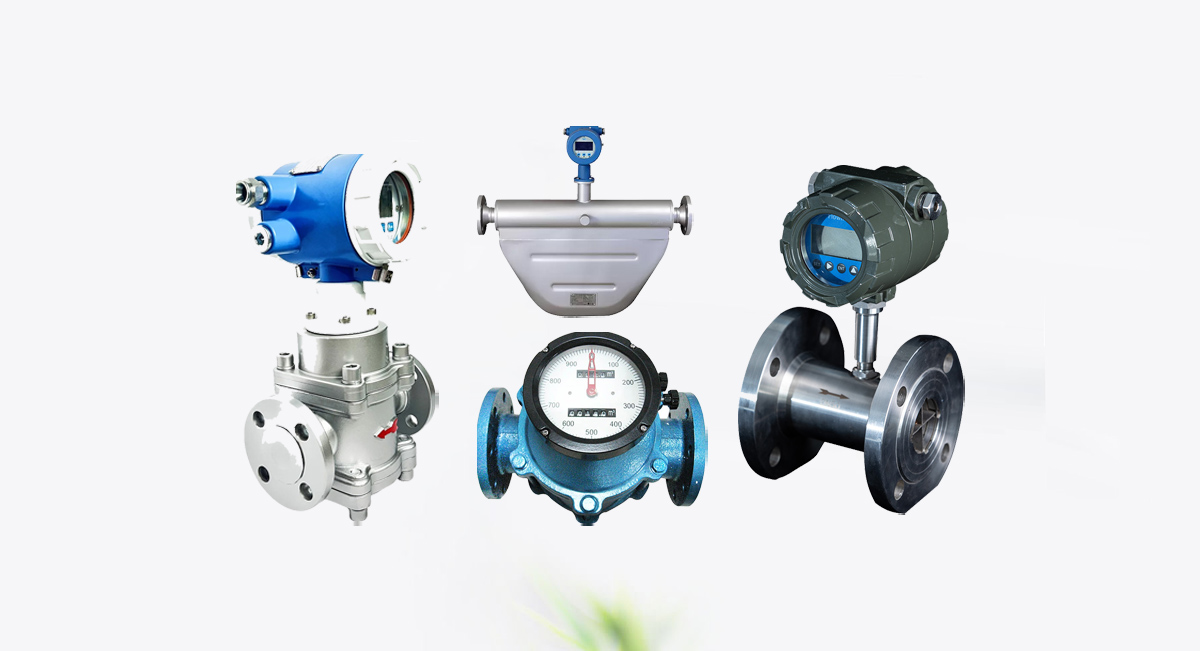
Crude oil is one of the most economically significant and technically challenging fluids to measure. From upstream extraction and midstream transportation to downstream refining, accurate crude oil flow measurement plays a critical role in custody transfer, production optimization, leakage detection, and process safety. However, unlike simple liquids such as water, crude oil presents unique challenges due to its complex composition, wide viscosity range, impurity levels, and multiphase behavior.
This article provides a complete overview of crude oil as a fluid, the technical challenges in measuring its flow, the most suitable crude oil flow meter technologies, and how to choose the right meter for different applications.
İçindekiler
What Is Crude Oil? Types and Characteristics
Crude oil is a naturally occurring petroleum product composed of hydrocarbons, organic compounds, sulfur, water, and various impurities. It is extracted from reservoirs and processed through refineries to produce fuels (gasoline, diesel, jet fuel), lubricants, asphalt, petrochemicals, and thousands of industrial products.
Crude oil properties vary significantly depending on the geographic source, reservoir conditions, and chemical composition. These variations have a direct impact on flow meter selection and measurement accuracy.
Types of Crude Oil by Density (API Gravity)
Crude oil is classified according to its API gravity:
| Tip | API Gravity | Characteristics |
|---|---|---|
| Light Crude Oil | > 31° API | Low viscosity, flows easily, high fuel yield |
| Medium Crude Oil | 22–31° API | Moderate viscosity, common globally |
| Heavy Crude Oil | < 22° API | Thick, high impurities, difficult to pump |
| Extra Heavy Oil | < 10° API | Very viscous, almost tar-like |
Light crude behaves more like refined fuels, while heavy crude behaves like thick molasses, affecting measurement technology, pressure drop, and accuracy.
Sulfur Content Classification
| Tip | Sulfur % | Notes |
|---|---|---|
| Sweet Crude | < 0.5% | Less corrosive, easier to refine |
| Sour Crude | > 0.5% | Contains H₂S → corrosive, safety challenges |
Sour crude may require corrosion-resistant materials for the flow meter.
Viscosity: The Most Critical Measurement Property
Crude oil viscosity can range from:
- 1–10 cP (light crude)
- 100–10,000+ cP (heavy crude)
Viscosity changes dramatically with temperature — meaning crude oil behaves differently in pipelines, storage tanks, and flow meters depending on thermal conditions.
Multiphase Behavior in Crude Oil
Crude oil may contain:
- Su
- Gas bubbles
- Paraffin wax
- Sand or solids
These multiphase conditions affect measurement accuracy and may damage certain flow meter technologies.
Recommended Crude Oil Flow Meters
Pozitif Deplasmanlı (PD) Akış Ölçerler
PD meters trap known volumes of fluid and count each displacement. They are highly accurate and insensitive to viscosity changes.
Why PD Meters Are Ideal for Crude Oil
- Handle extremely high viscosity
- Not affected by flow turbulence
- Excellent for low- to medium-flow custody transfer
- Maintains accuracy even with density and pressure changes
- Minimal sensitivity to entrained gas
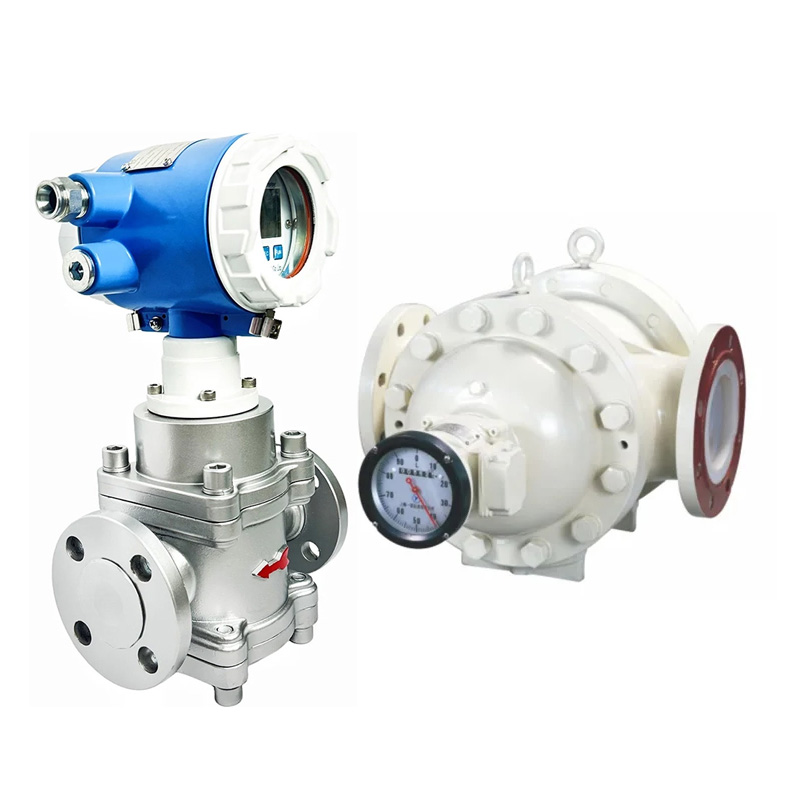
Bi-rotor PD Flow Meters for Crude Oil
- High accuracy up to ±0.1 %, high process pressure
- İyi tekrarlanabilirlik ile geniş ölçüm aralığı
- Son derece uzun hizmet ömrü, ekonomik düşük bakım
- Dengeli rotaryi aşındıracak veya bozacak salınımlı, ileri geri hareket eden veya kayan parçalar veya kranklar yok
- Düşük sesle çalışırken kararlı
- İyi anti-parazit performansı ve uzun hizmet ömrü
- Viskozite değişikliklerine güçlü uygulanabilirlik
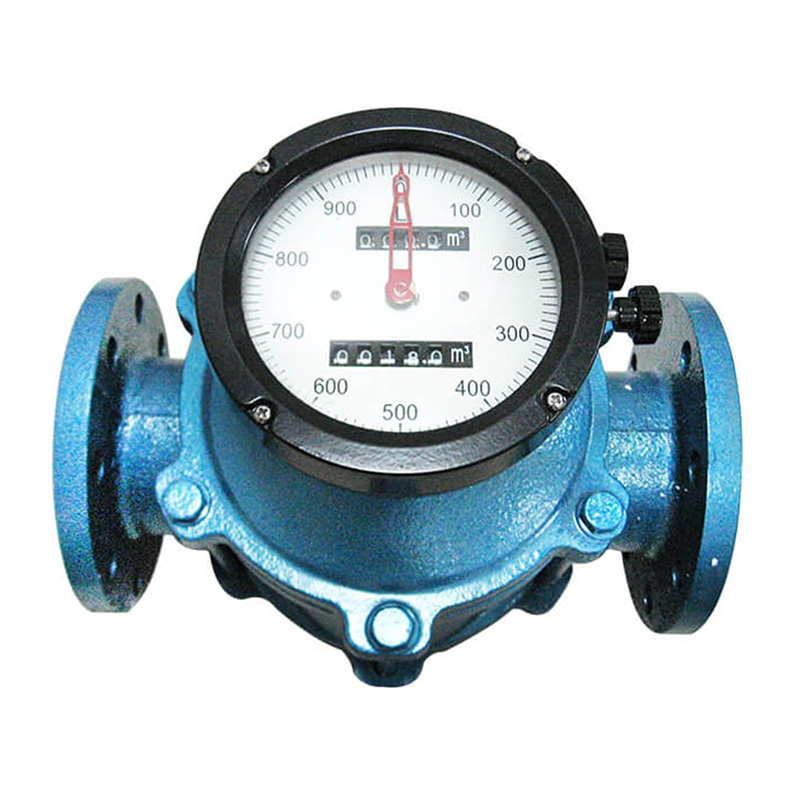
- İyi tekrarlanabilirlik ile geniş ölçüm aralığı
- 0,2%'ye kadar hassasiyetle yüksek hassasiyetli ölçüm
- Viskozite değişimine duyarlı değildir
- Daha yüksek viskoziteli sıvı ölçümü için optimize edilmiştir
- Düz boru geçişi gerektirmeyen basit kurulum
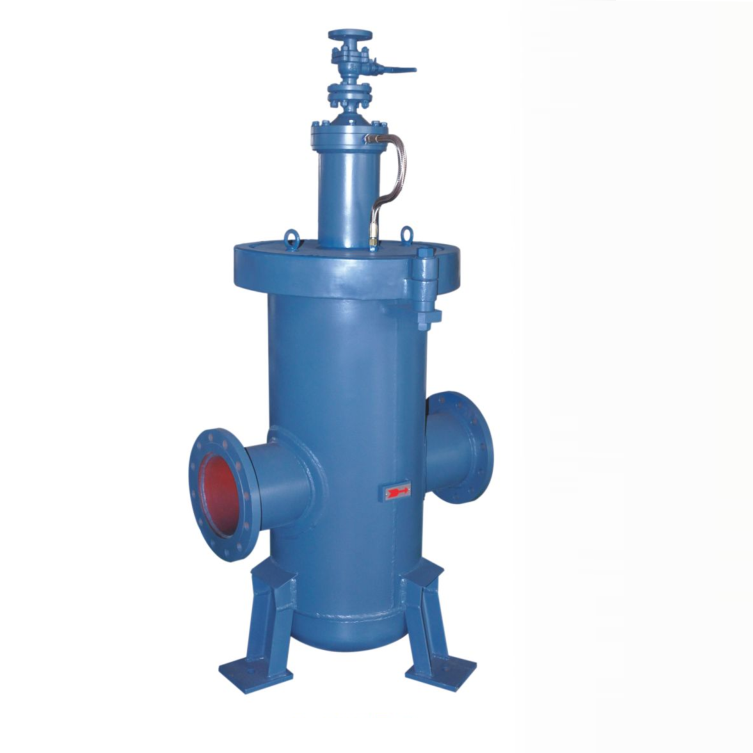
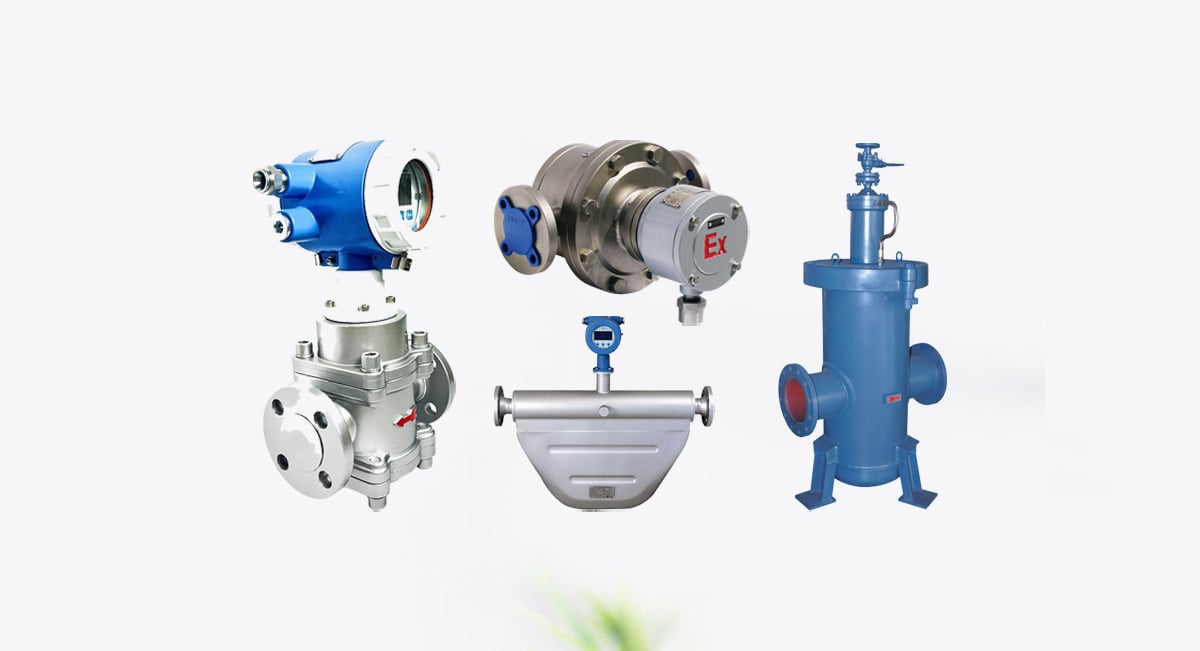
The air Eliminators are designed to provide separation and elimination of air and solids in metering systems. Installing air eliminators / Strainers upstream of measurement devices (especially positive displacement flow meters) ensures accurate measurement, whilst protecting all downstream system components.
Coriolis Kütle Akış Ölçerler
Coriolis flow meters measure doğrudan kütle akışı, not velocity or volume.
Why Coriolis Meters Are Excellent for Crude Oil
- Immune to viscosity changes
- Ölçü mass, density, and temperature simultaneously
- Handle multiphase oil with entrained gas
- No moving parts → extremely reliable
- Ideal for custody transfer systems
- Can detect water cut through density measurement
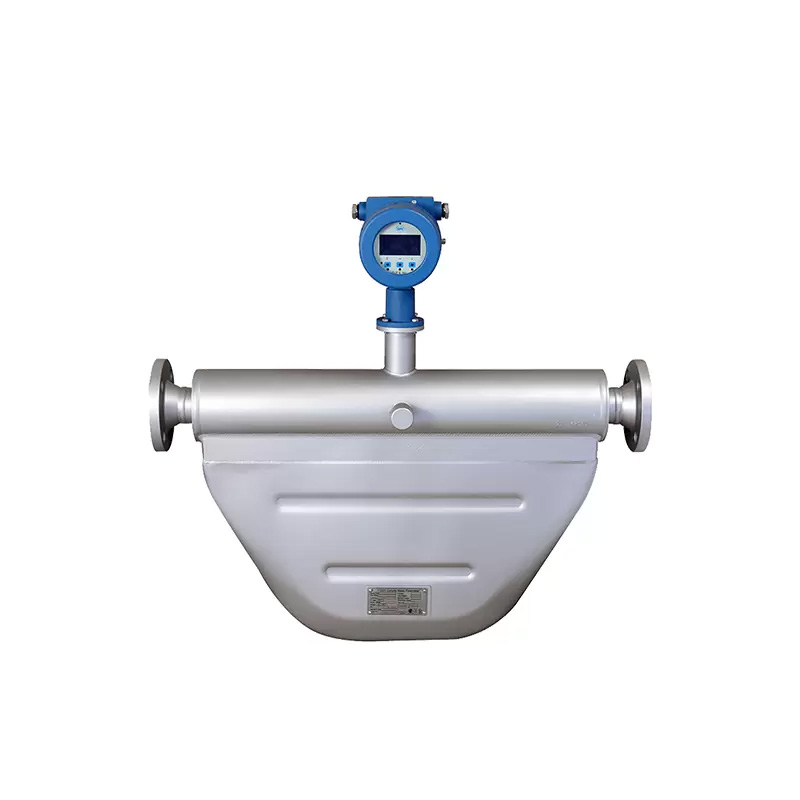
Bu MTD-ACMW Coriolis kütle akış ölçer, ±0,1 %'ye kadar doğrulukla en iyi kütle akışı, yoğunluk ve sıcaklık ölçüm performansını sağlar. Ölçüm doğruluğunu büyük ölçüde artıran, aralık oranını genişleten, parazit önleme yeteneğini geliştiren ve yüksek hassasiyetli ölçüm için giderek karmaşıklaşan saha çalışma koşullarını daha büyük ölçüde karşılayan düşük direnç ve düşük basınç kaybı özelliklerine sahiptir.
Türbin Akış Ölçerler
Turbine flow meters require clean, low-viscosity fluids to rotate properly.
Suitable when:
- Crude oil is light and clean
- Custody transfer cost must be minimized
Sınırlamalar:
- Sensitive to viscosity
- Cannot tolerate particulates
- Requires flow conditioning
Not recommended for heavy or multiphase crude.
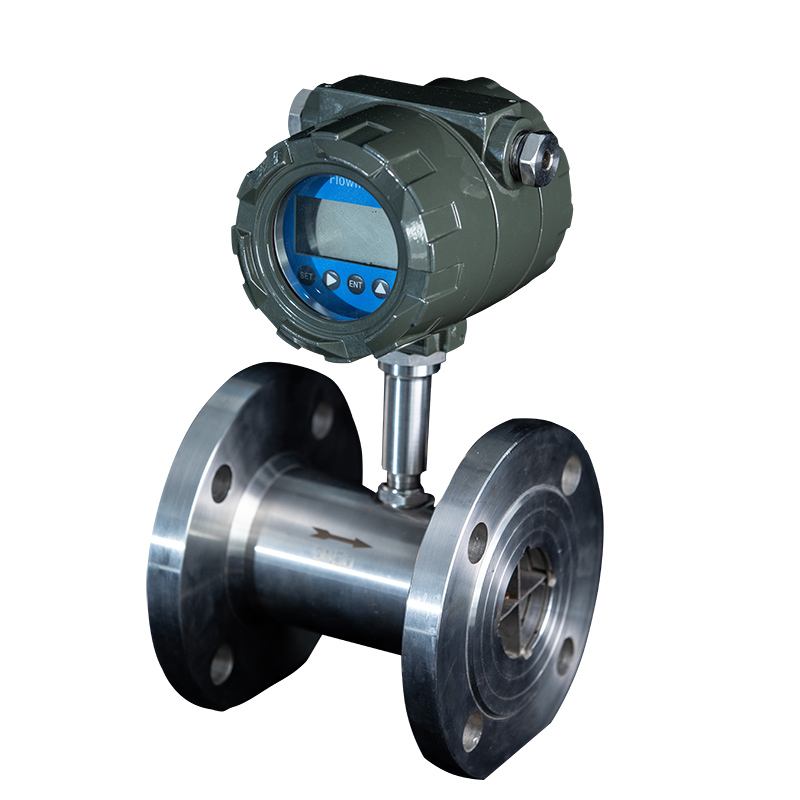
High Pressure Turbine Flow Meters
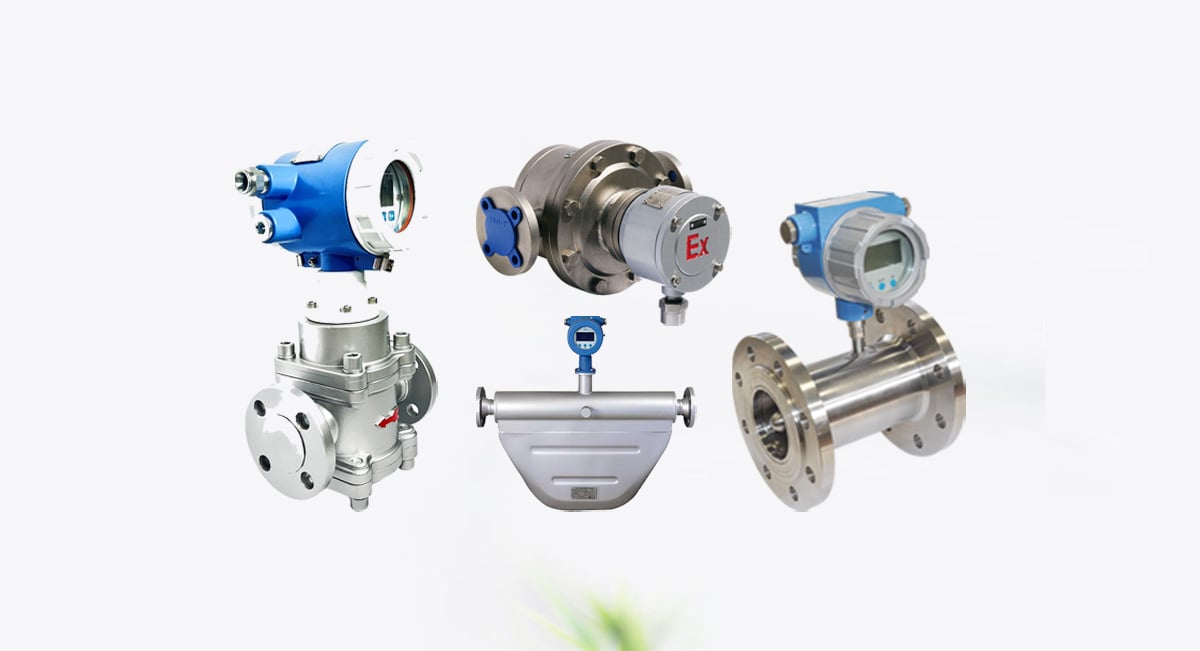
The LWGYMT-P turbine flow meter is specifically designed to safely operate in demanding high pressure applications up to 250 bar (3625.95 psi). This flowmeter consists of stainless steel construction, and flanged connection. This turbine flow meter is a good choice for light and clean crude oil with limited budget.
How to Choose the Right Crude Oil Flow Meter
Selecting the correct crude oil flow meter requires understanding both the fluid properties and the measurement purpose.
Define the Purpose of Measurement
- Custody transfer? → Requires highest accuracy
- Pipeline monitoring? → Coriolis
- Production well output? → PD or Coriolis
- Truck loading/unloading? → PD
- Refinery internal measurement? → PD or Coriolis
Identify Key Fluid Properties
You must know:
- API gravity
- Viscosity (at operating temperature)
- Water content
- Gas entrainment
- Presence of solids or wax
- Sour vs sweet crude
These determine whether PD, Coriolis, or turbine is better.
Required Accuracy
- ±0.1% → Coriolis, premium PD
- ±0.2–0.5% → Standard PD
- ±1–2% → Turbine
Crude oil is a highly complex fluid with varying viscosity, impurities, water content, and density. These characteristics create significant challenges for accurate flow measurement. Among all technologies:
- Coriolis ölçüm cihazları provide the highest accuracy and best handling of multiphase conditions.
- Positive displacement meters are the best choice for viscous crude, loading/unloading, and custody transfer.
- Turbine meters are limited to light, clean crude.
Selecting the right crude oil flow meter requires evaluating the application, accuracy requirements, fluid characteristics, installation constraints, and budget. With the correct technology and configuration, crude oil flow measurement can achieve exceptional reliability and long-term stability—ensuring operational efficiency and financial accuracy across the petroleum value chain.